
Sustainable
Access Solutions
for Renewable Energy
Renewable energy projects rely on dependable infrastructure from day one.
Hydro Road Stabiliser
(HRS) creates stable, durable surfaces for construction, heavy equipment, and long-term maintenance access.
Renewable Energy Projects Depend on Sustainable Access
Building renewable energy infrastructure often means working in remote, exposed, and environmentally sensitive locations where
ground performance can directly influence project timelines,
operational efficiency, and long-term accessibility.
Heavy Construction Traffic - Large construction vehicles, cranes, and delivery equipment place significant pressure on access routes and working platforms.
Weak Ground Conditions - Soft or unstable ground can reduce load-bearing performance and affect site accessibility.
Weather Exposure - Rainfall and changing site conditions can weaken surfaces and disrupt operational movement.
Environmental Sensitivity - Projects often operate within environmentally sensitive locations requiring reduced ground disturbance and responsible infrastructure solutions.
Remote Site Access - Many renewable energy developments are located in isolated areas where dependable access is essential.
Crane & Equipment Stability -
Heavy lifting operations require stable working platforms capable of supporting specialist equipment safely.
Surface Deterioration - Continuous vehicle activity can accelerate surface wear and disrupt operational movements.
Ongoing Maintenance Access - Long-term servicing and operational maintenance depend on reliable all year round access throughout the lifespan of the project.
Supporting Renewable Energy Infrastructure with HRS
HRS helps renewable energy developers create reliable access routes, stable working platforms, and durable operational infrastructure while reducing environmental impact and minimising reliance on imported materials.
Reduced
Ground Disturbance
Environmentally
Sensitive
Solutions
Stable
Working
Platforms
Reduced
Aggregate Importation
Reliable Long-Term Site
Accessibility
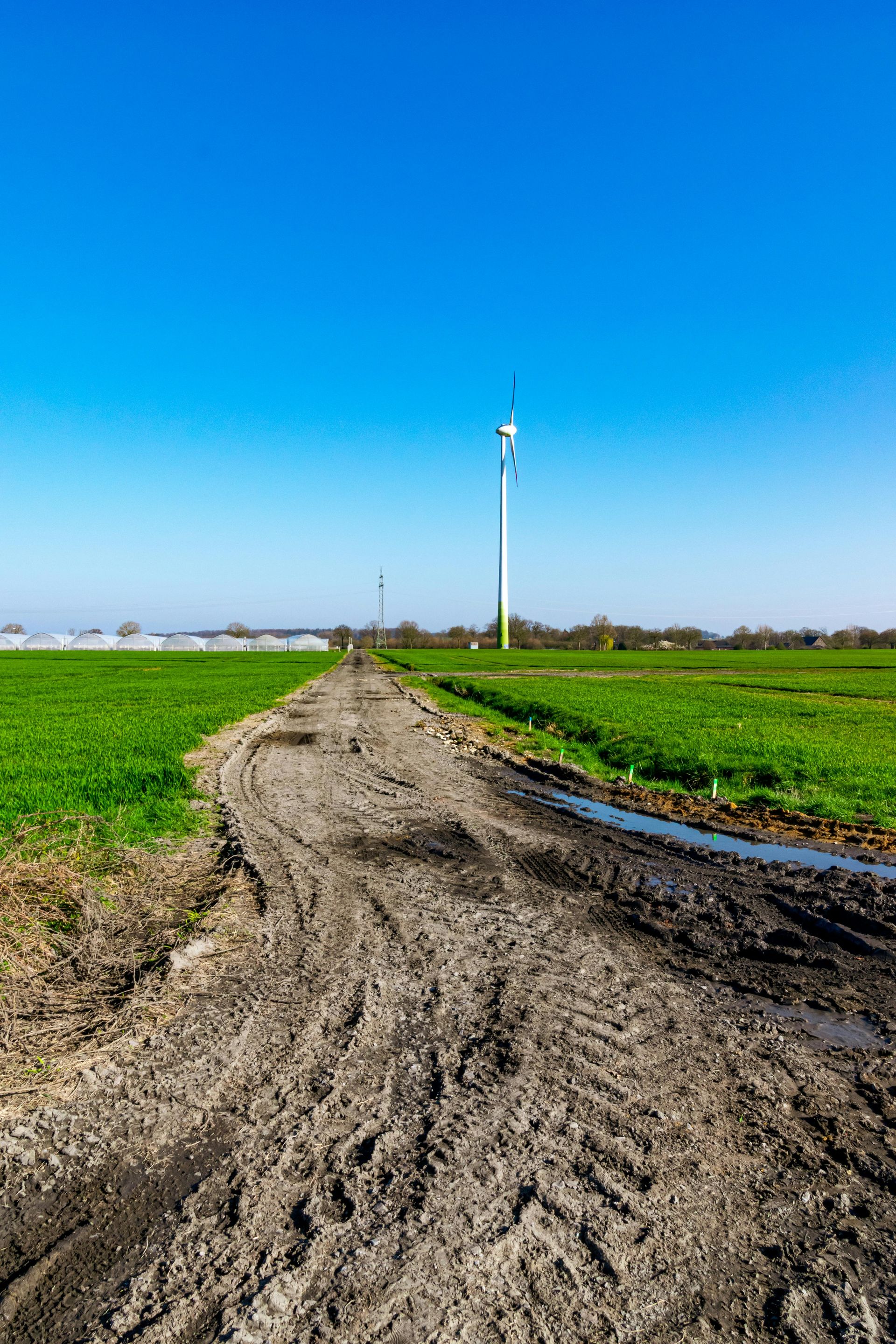
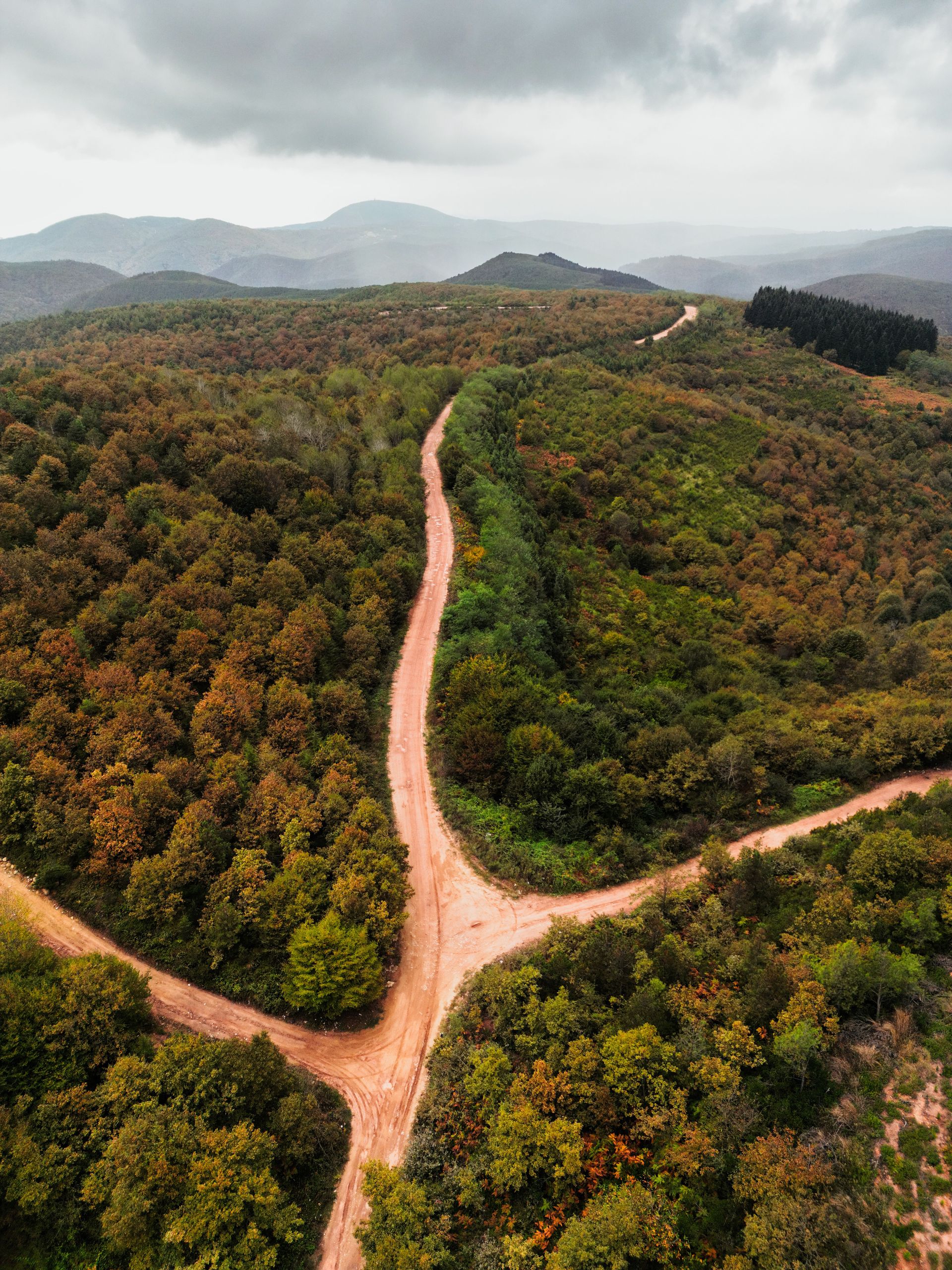
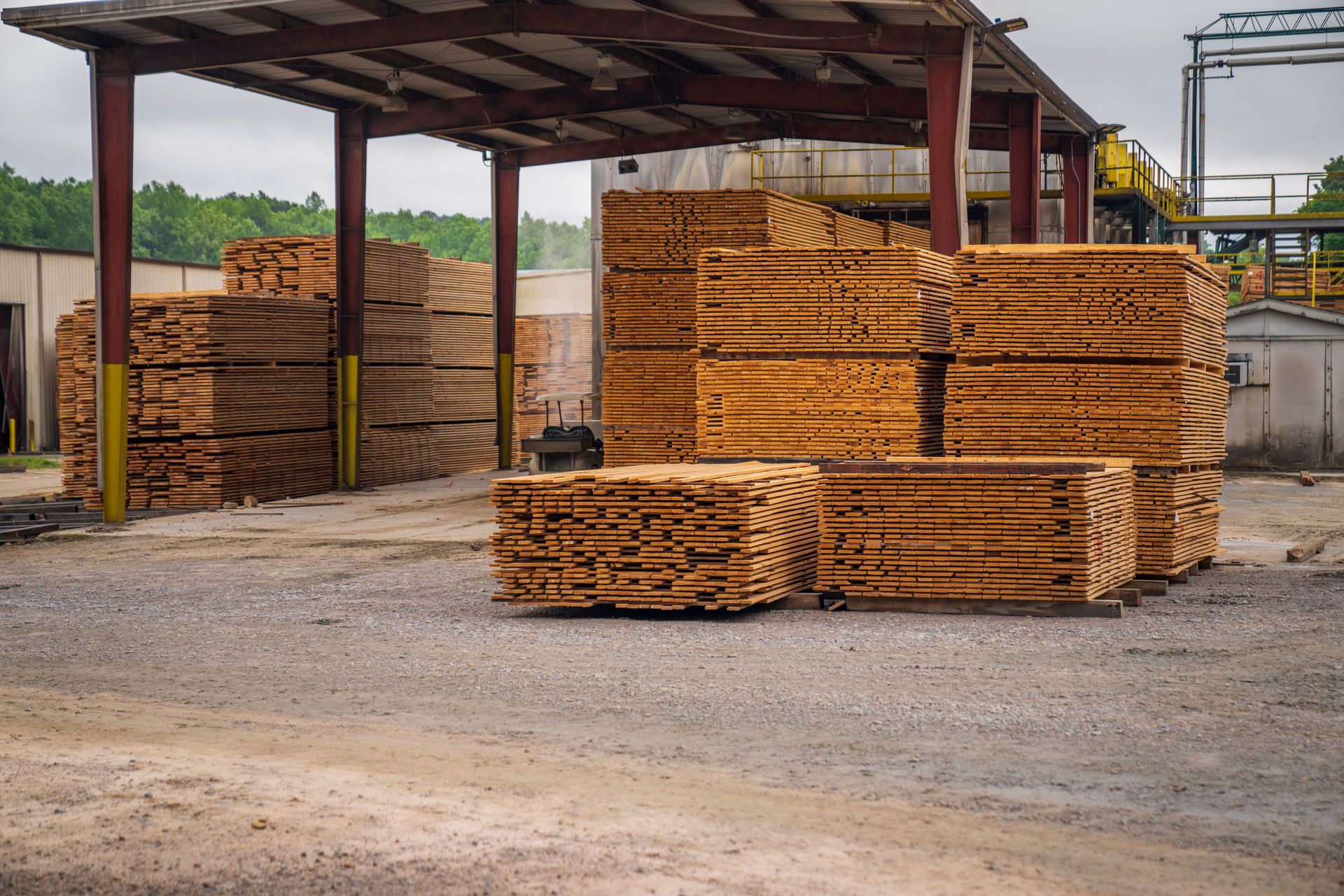
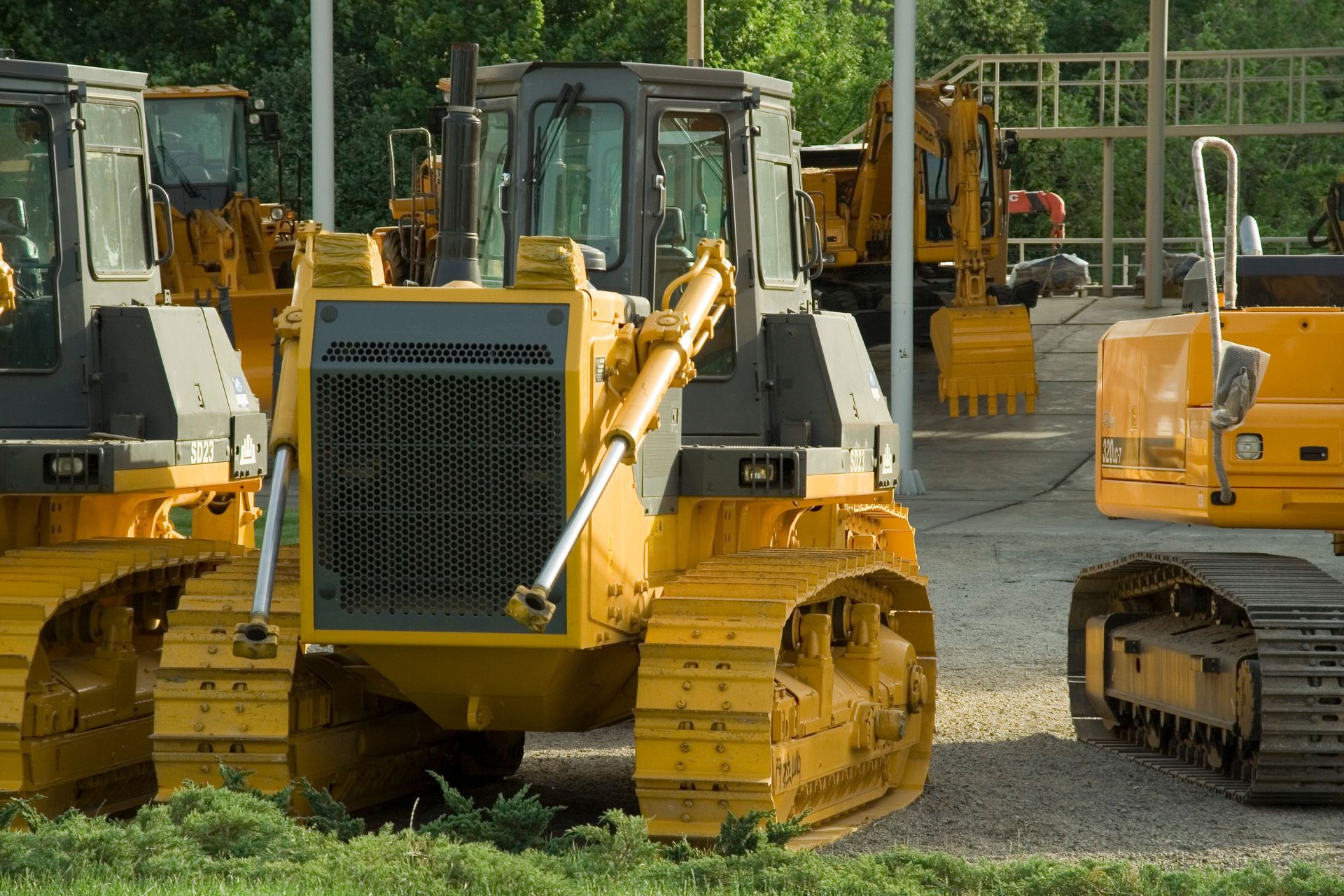
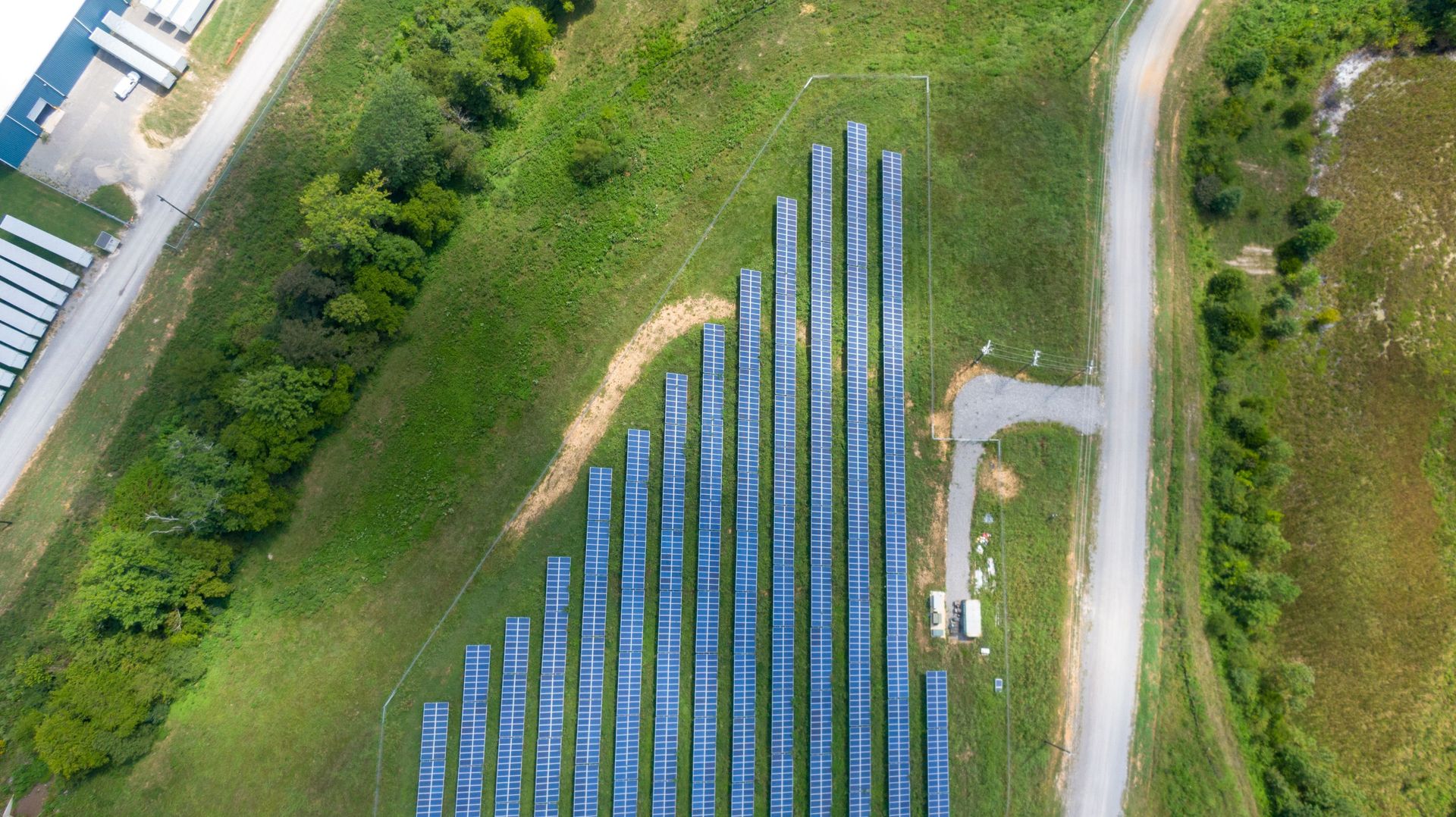
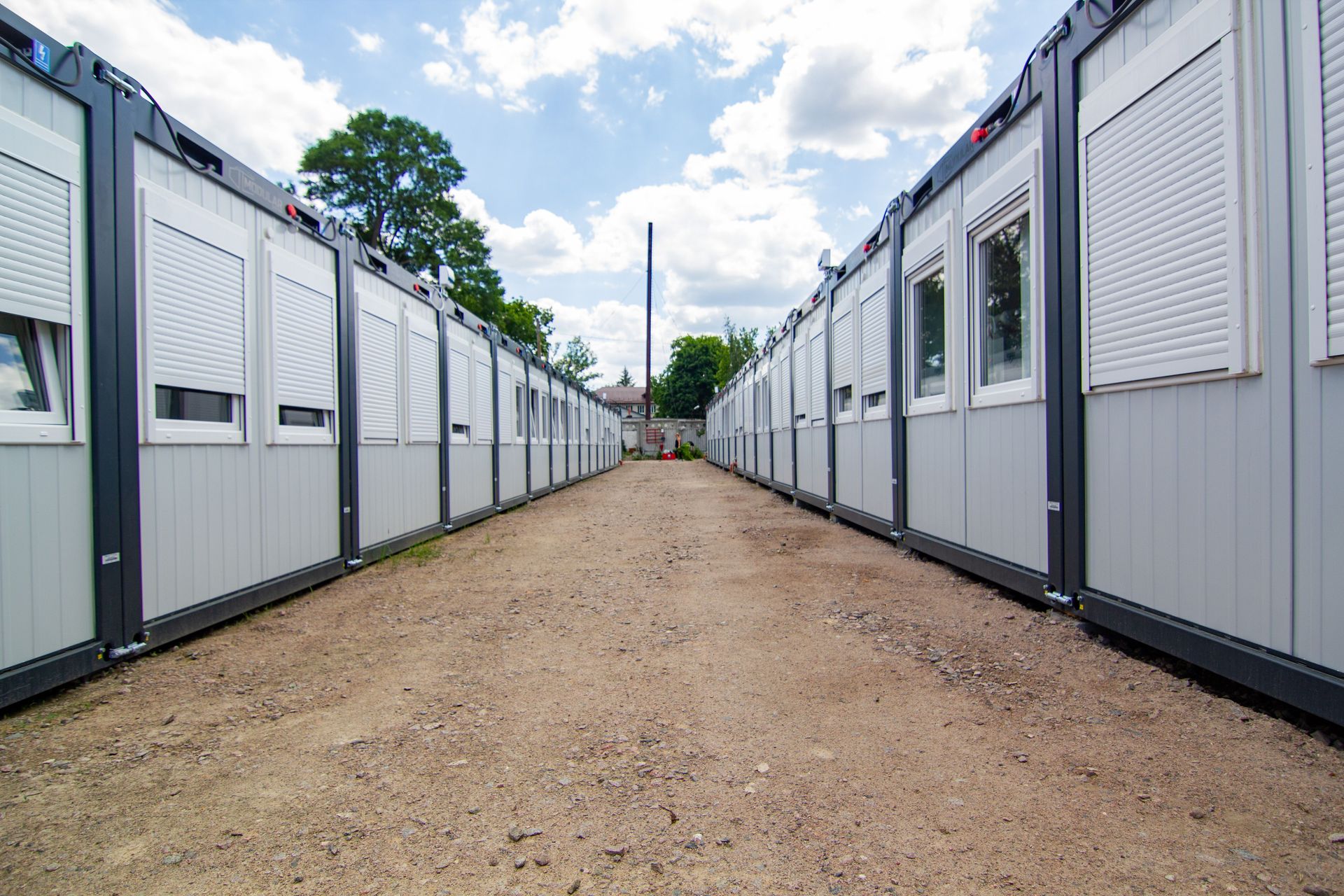
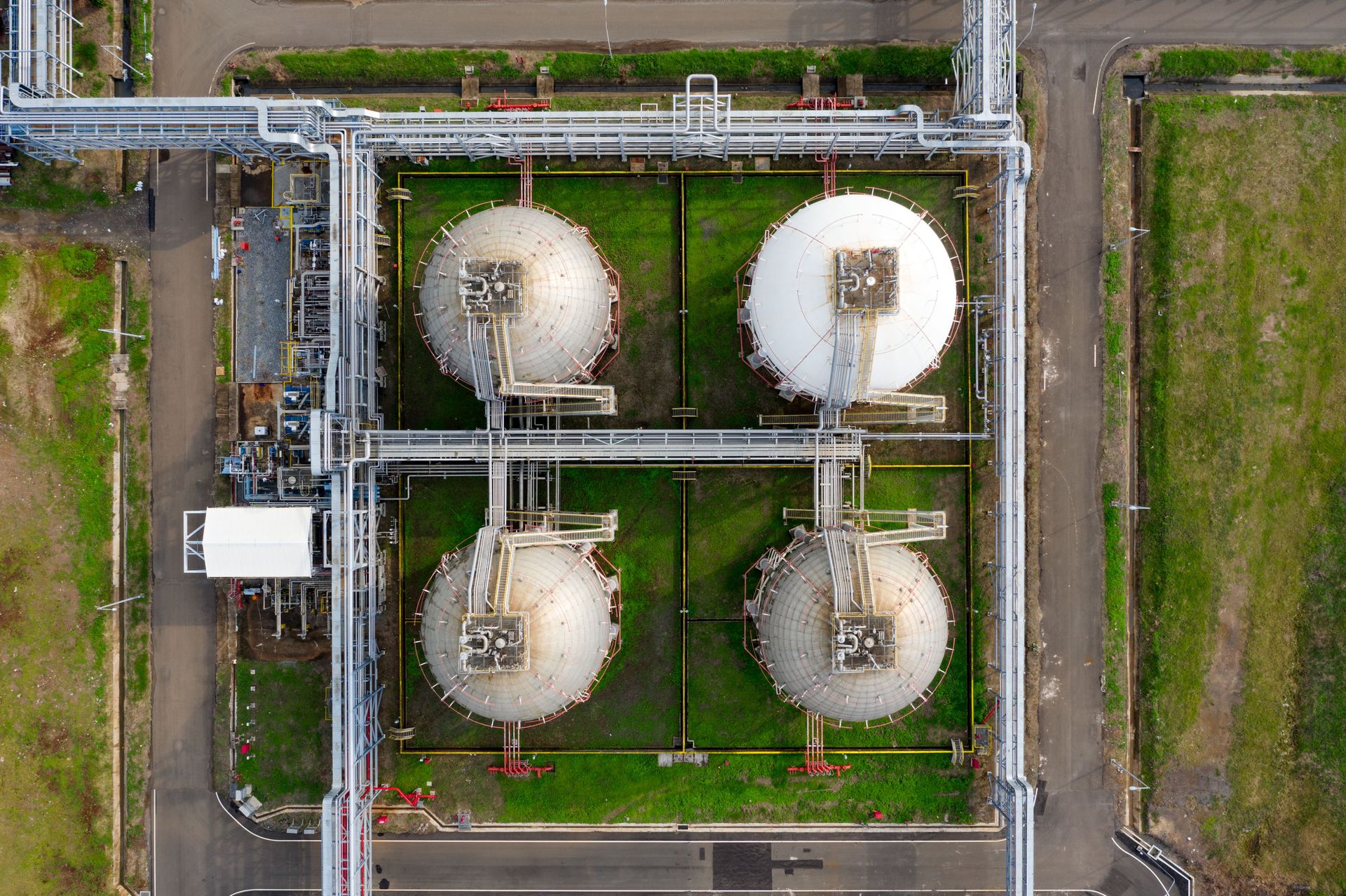
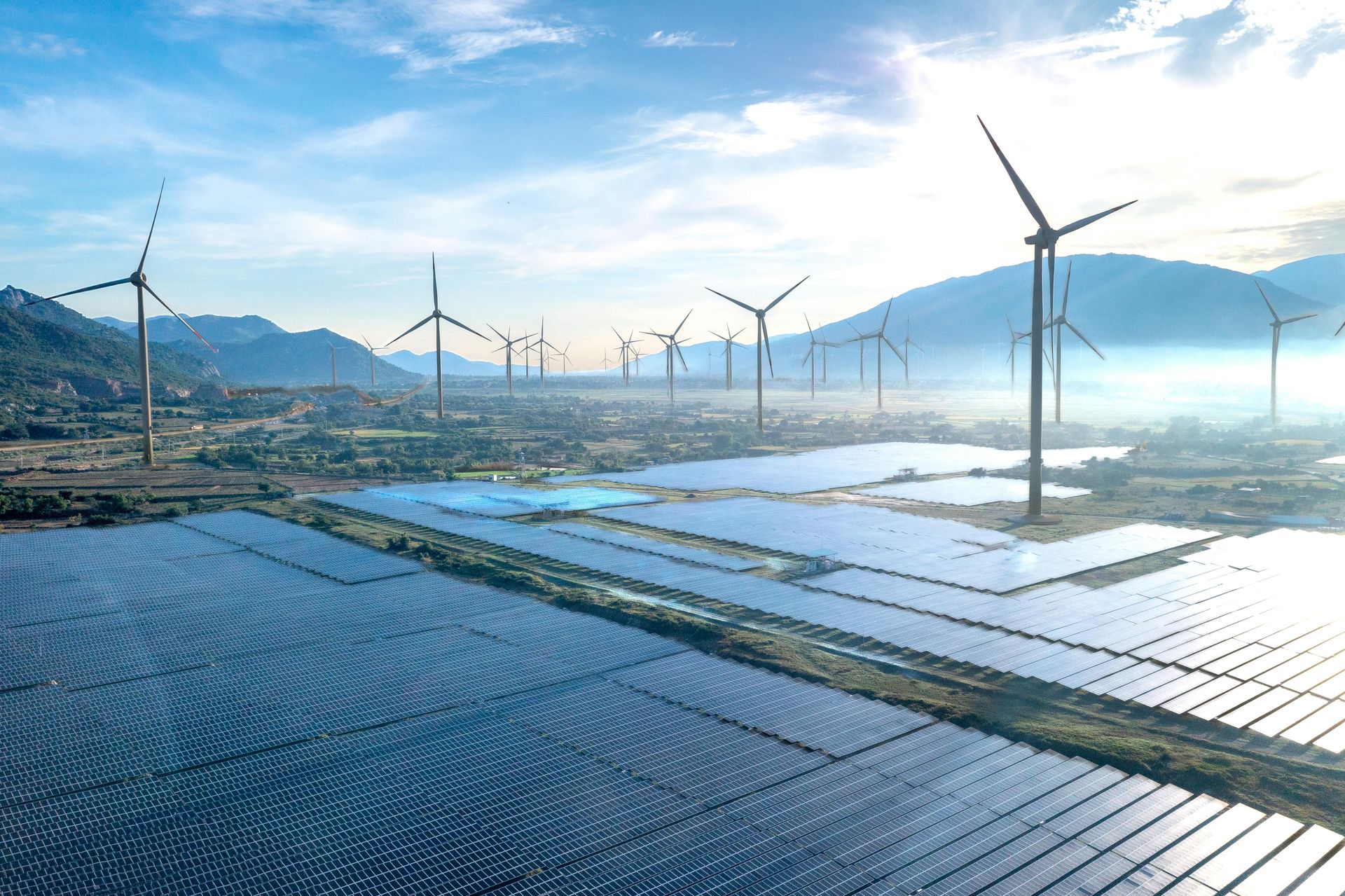
Renewable Energy Applications
Benefits for
Renewable Energy Projects
Improved Ground Stability
Minimise excavation and disruption across environmentally sensitive project locations while improving ground performance.
Improved
Site Accessibility
Create dependable access routes for construction traffic, turbine deliveries, and long-term operational maintenance.
Stable Working Platforms
Provide stronger, more reliable surfaces capable of supporting cranes, heavy equipment, and specialist installation vehicles.
Reduced
Aggregate
Improve the performance of existing site materials while lowering transport requirements and associated project costs.
Environment Site Solutions
Support renewable energy developments with reduced ground disturbance, lower material importation, and more sustainable infrastructure construction.
Long-Terms Performance
Strengthen ground conditions to improve durability, reduce maintenance demands, and support long-term renewable energy operations.
Environmental & Ecological Impact
Hydro Road Stabiliser (HRS)ᵀᴹ has been developed to support more sustainable infrastructure solutions across remote, rural, industrial and environmentally sensitive environments.
Using advanced water-based acrylic polymer technology (non-plastic), HRS is designed to strengthen in-situ soils and aggregates, reducing reliance on imported materials, excessive haulage, and more energy intensive construction methods.
By improving durability, reducing erosion, minimising dust generation, and extending maintenance cycles, HRS helps lower the long-term environmental impact associated with traditional access road construction and upkeep.
The system’s low-emission, water-based formulation supports practical field application while aligning with modern environmental and sustainability objectives across agriculture, forestry, mining, defence and infrastructure sectors.
HRS is engineered to deliver long-lasting performance with reduced environmental impact supporting stronger, smarter and more sustainable infrastructure development.