
Water & Coastal Protection
HRS helps improve ground stability and surface resilience in water-affected and environmentally sensitive environments, supporting the long-term performance of flood defence, drainage, reservoir, and
coastal protection infrastructure.
Protecting Critical Water & Coastal Assets
Water management and coastal protection projects face a range of environmental and ground stability
challenges that can impact infrastructure performance, accessibility, and long-term resilience.
Erosion & Surface Washout - Water movement, tidal activity, and heavy rainfall can erode surfaces and undermine ground stability.
Saturated Ground Conditions - Waterlogged soils can reduce load-bearing performance and create difficult working conditions.
Embankment Stability - Maintaining stable embankments is essential to protecting critical water and flood defence infrastructure.
Flood Damage - Severe weather events and flooding can impact infrastructure performance and increase repair requirements.
Coastal Exposure - Tidal forces, saltwater exposure, and harsh weather conditions can accelerate surface deterioration.
Maintenance Access Constraints -
Reliable access is essential for the inspection, maintenance, and repair of water management assets.
Aggregate Importation Costs - Traditional construction methods can increase material, transport, and project costs.
Long-Term Asset Resilience - Water and coastal infrastructure must withstand changing environmental conditions while maintaining long-term operational performance.
Stronger Water Management & Coastal Infrastructure with HRS
Water management and coastal protection infrastructure depends on stable ground conditions to support long-term performance, environmental resilience, and reliable operational access.
Enhanced
Erosion
Resistance
Improved
Embankment Stability
Reliable Access in
Water-Affected Areas
Reduced Environmental
Disturbance
Long-Term Infrastructure
Resilience
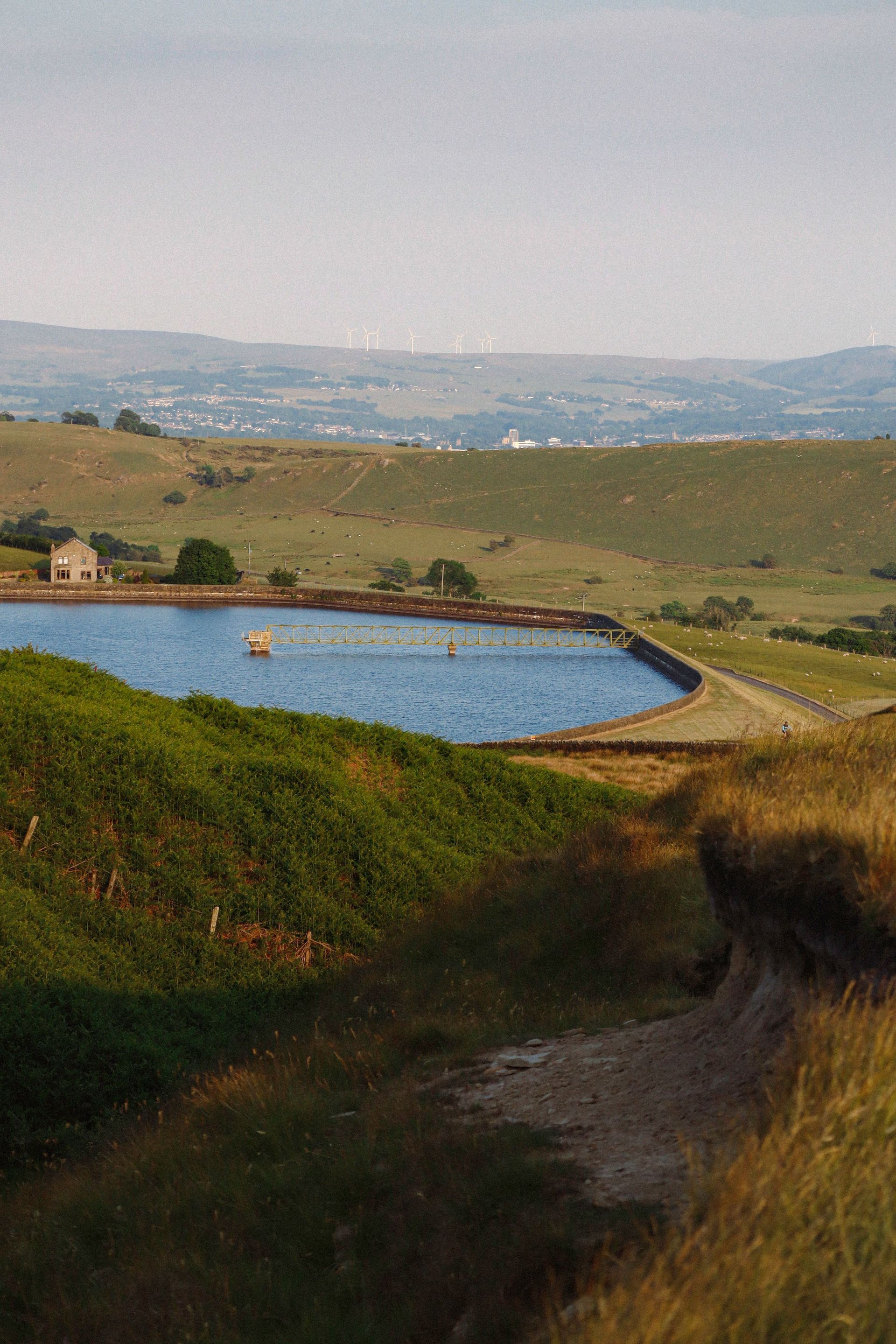
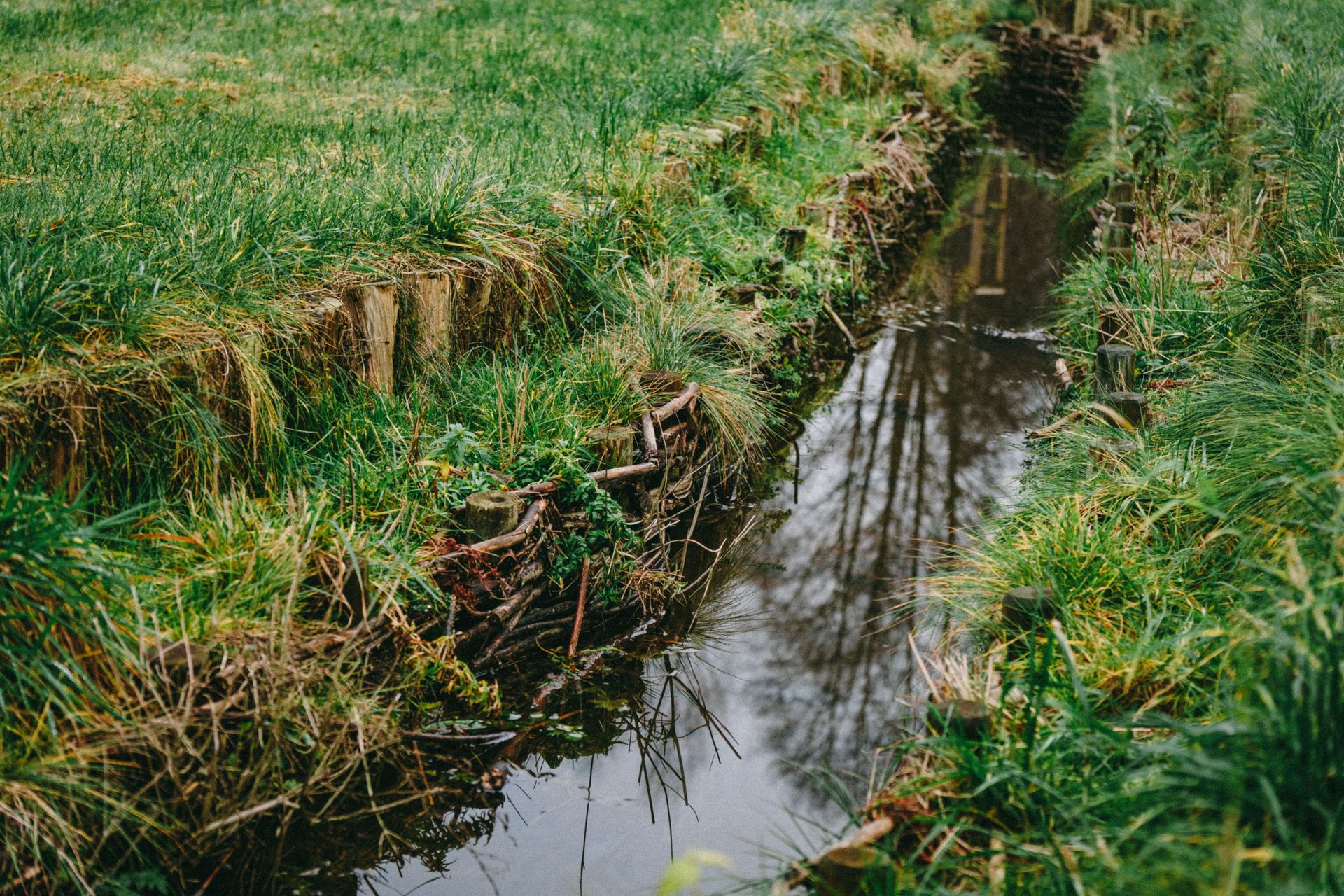
Water Management & Coastal Applications


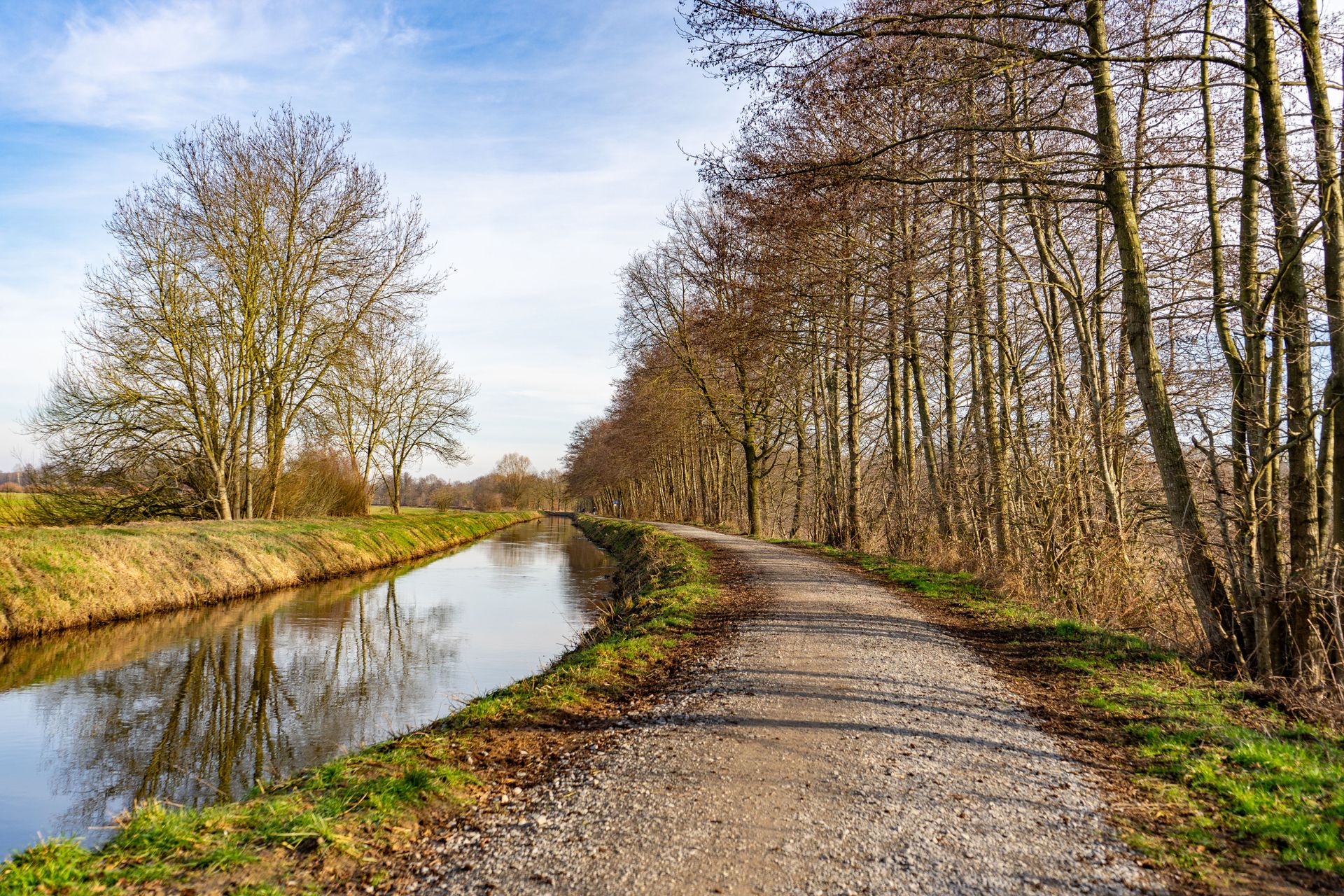
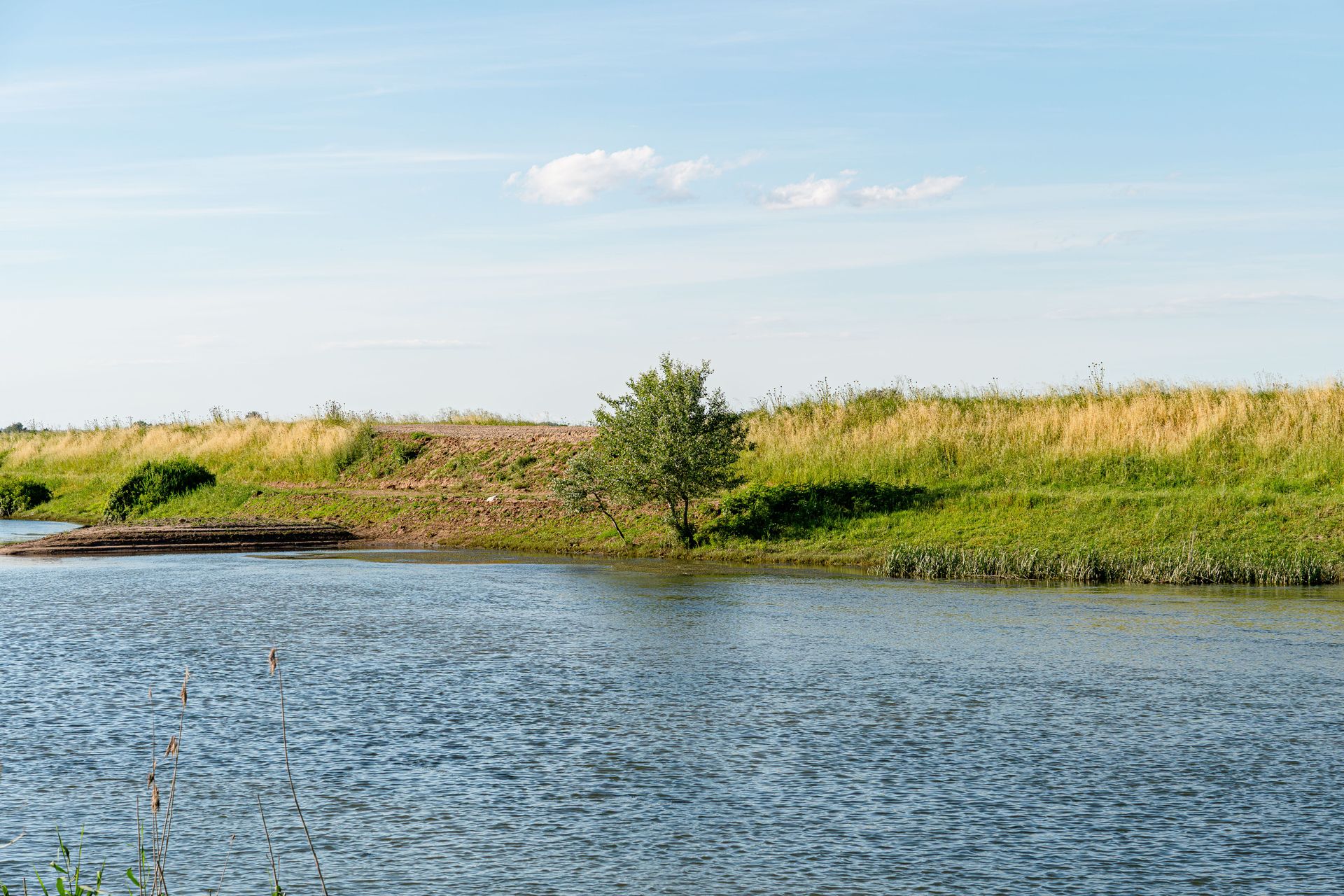
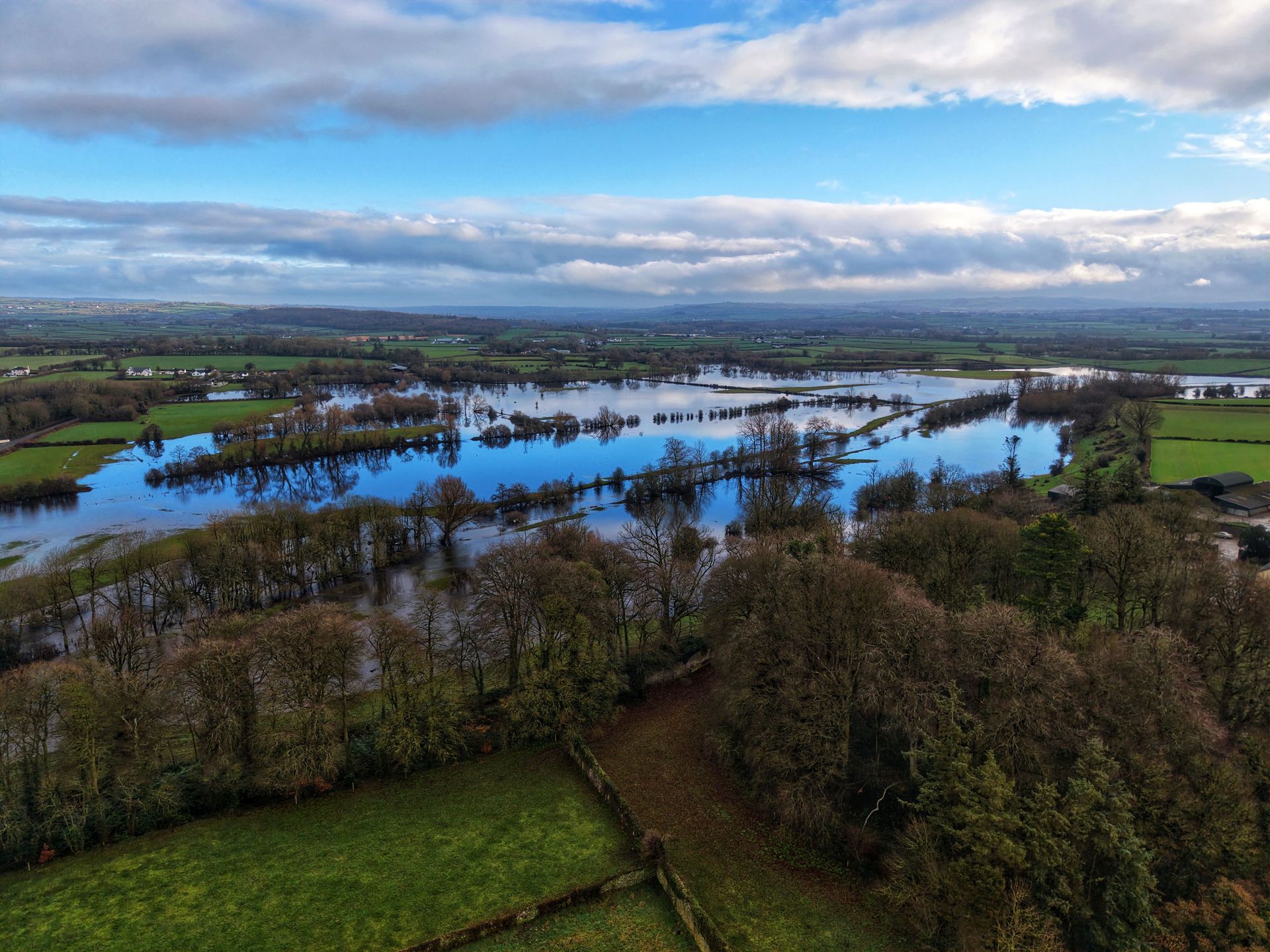
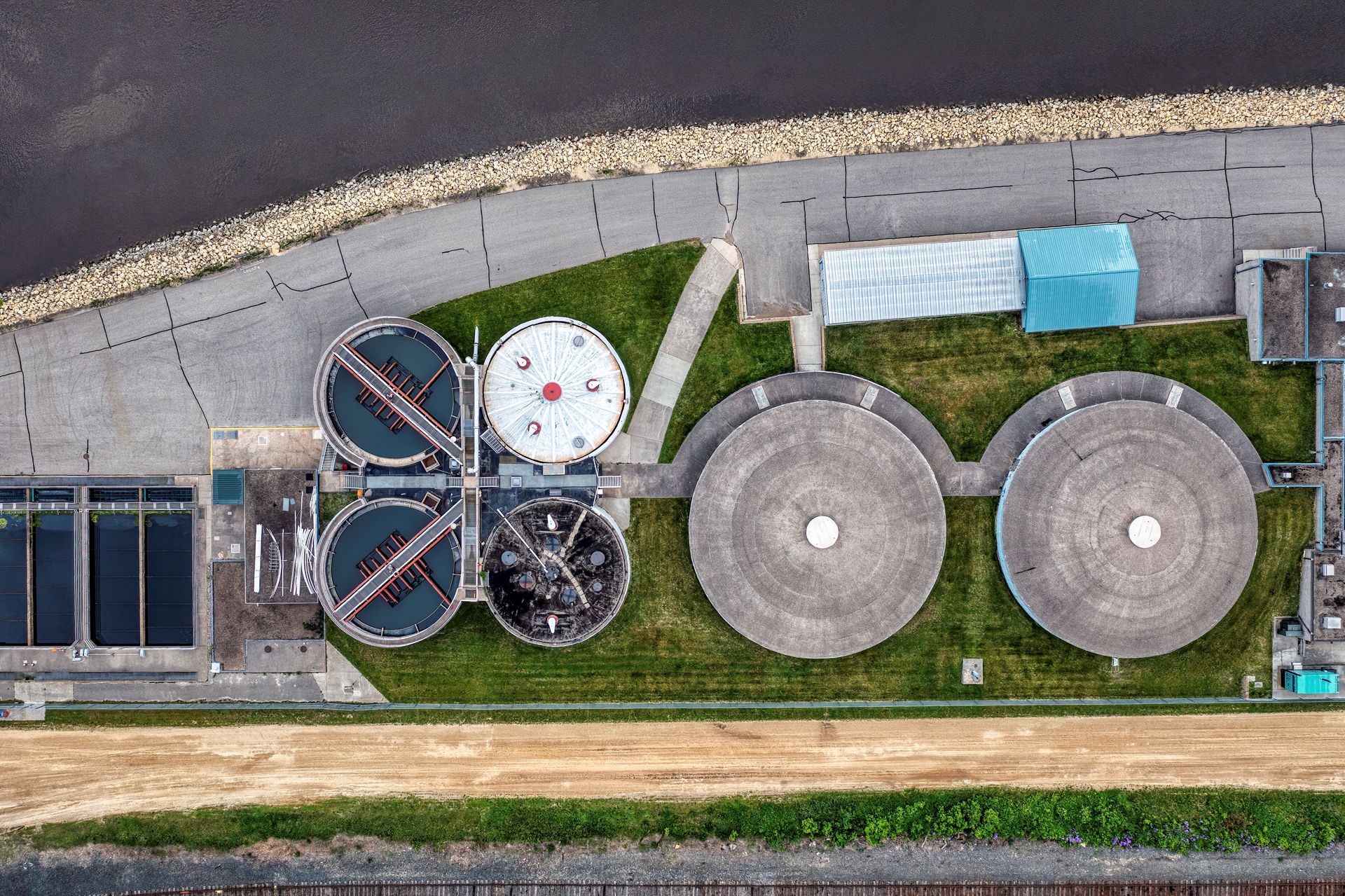
Benefits for
Coastal Protection & Waterways
Short heading
Erosion Resistance
Improve surface resilience in areas exposed to water movement, tidal activity, and heavy rainfall.
Stable Embankment
Strengthen ground conditions to support the long-term integrity of embankments, flood defences, and earthworks.
Reliable
Access
Maintain dependable access for the inspection, maintenance, and management of water and coastal infrastructure.
Short heading
Reduced Ground Disturbance
Minimise excavation and disruption within environmentally sensitive and protected environments.
Increased Flood Resilience
Strengthen ground conditions to support the long-term integrity of embankments, flood defences, and earthworks.
Infrastructure Protection
Support the durability and performance of reservoirs, waterways, flood defence systems, and coastal protection assets.
Environmental & Ecological Impact
Hydro Road Stabiliser (HRS)ᵀᴹ has been developed to support more sustainable infrastructure solutions across remote, rural, industrial and environmentally sensitive environments.
Using advanced water-based acrylic polymer technology (non-plastic), HRS is designed to strengthen in-situ soils and aggregates, reducing reliance on imported materials, excessive haulage, and more energy intensive construction methods.
By improving durability, reducing erosion, minimising dust generation, and extending maintenance cycles, HRS helps lower the long-term environmental impact associated with traditional access road construction and upkeep.
The system’s low-emission, water-based formulation supports practical field application while aligning with modern environmental and sustainability objectives across agriculture, forestry, mining, defence and infrastructure sectors.
HRS is engineered to deliver long-lasting performance with reduced environmental impact supporting stronger, smarter and more sustainable infrastructure development.